The best time to visit Phu Quoc Island is from November to April, when the weather is dry, sunny, and perfect for beach activities. Enjoy crystal-clear waters, ideal temperatures, and vibrant local experiences in Vietnam’s tropical paradise.
1. Overview: Why Timing Matters for Your Phu Quoc Adventure
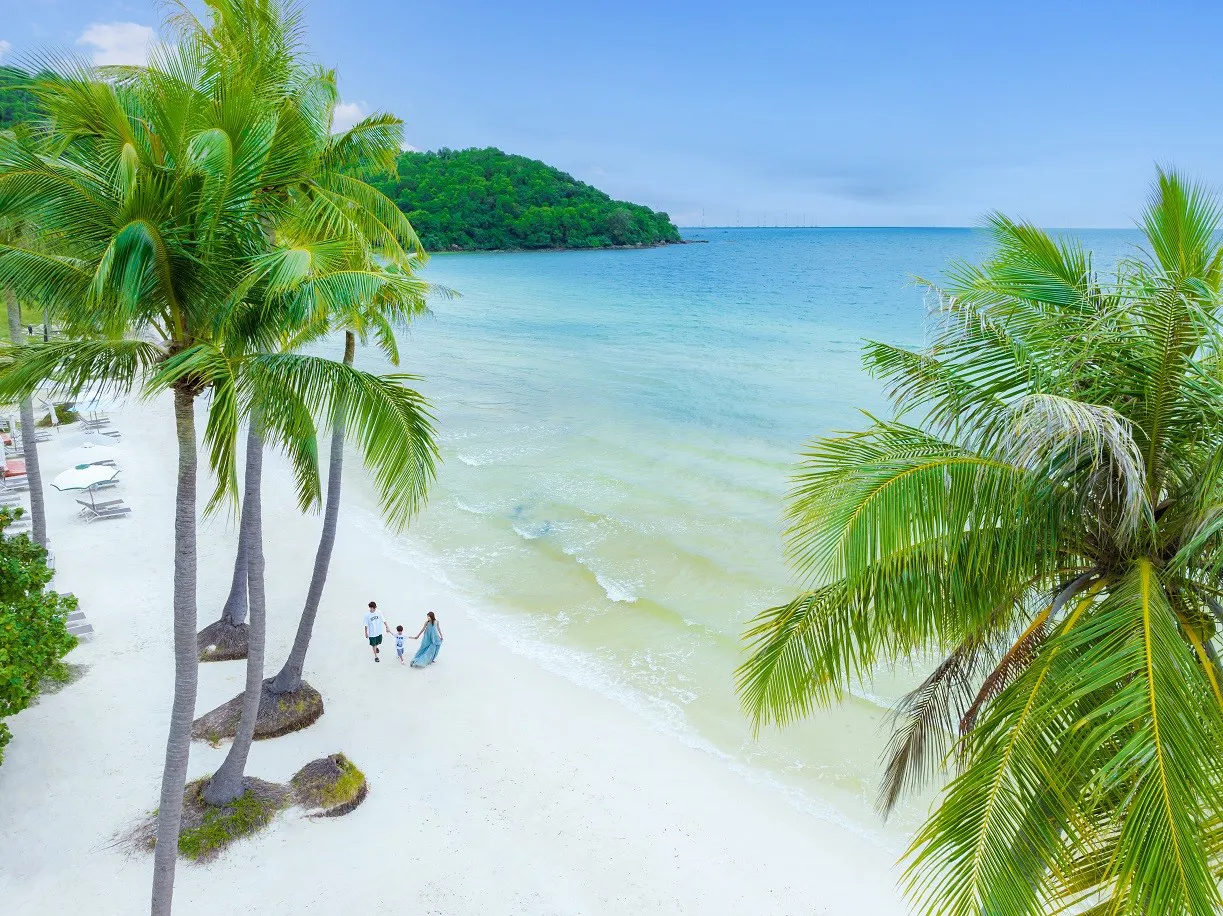
Phu Quoc Island, known as the “Pearl Island of Vietnam,” is a tropical paradise located in the Gulf of Thailand. With white sandy beaches, lush green jungles, and luxury resorts, it’s one of Southeast Asia’s most beloved destinations.
However, to truly enjoy Phu Quoc at its best, knowing when to visit is essential. The island’s tropical climate offers two distinct seasons — the dry season and the rainy season — each bringing unique experiences for travelers.
2. Climate and Geography: Understanding Phu Quoc’s Weather Patterns
Phu Quoc lies near the equator, giving it consistent warm temperatures year-round — averaging from 25°C to 32°C (77°F–90°F). Its tropical monsoon climate creates a balance between sunshine and rain, shaping the island’s landscapes and tourism rhythm.
Humidity remains moderate during the dry months but increases during the rainy season, especially in July and August.
Despite these variations, Phu Quoc is a year-round destination — with each period offering distinct charm for different types of travelers.
3. The Dry Season (November – April): Ideal for Beach Lovers
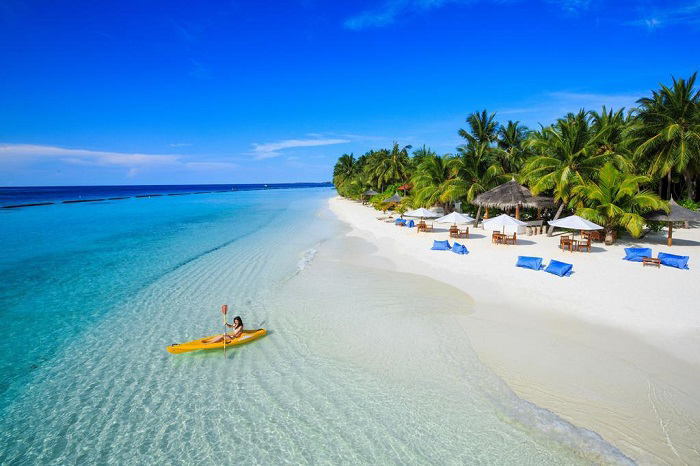
The dry season is undoubtedly the best time to visit Phu Quoc. The weather is at its most pleasant — clear skies, calm seas, and gentle breezes make it perfect for sunbathing, swimming, and outdoor exploration.
Why Visit During the Dry Season
Perfect Beach Weather: Sunshine dominates the island, ideal for relaxing at Long Beach, Bai Sao, or Ong Lang.
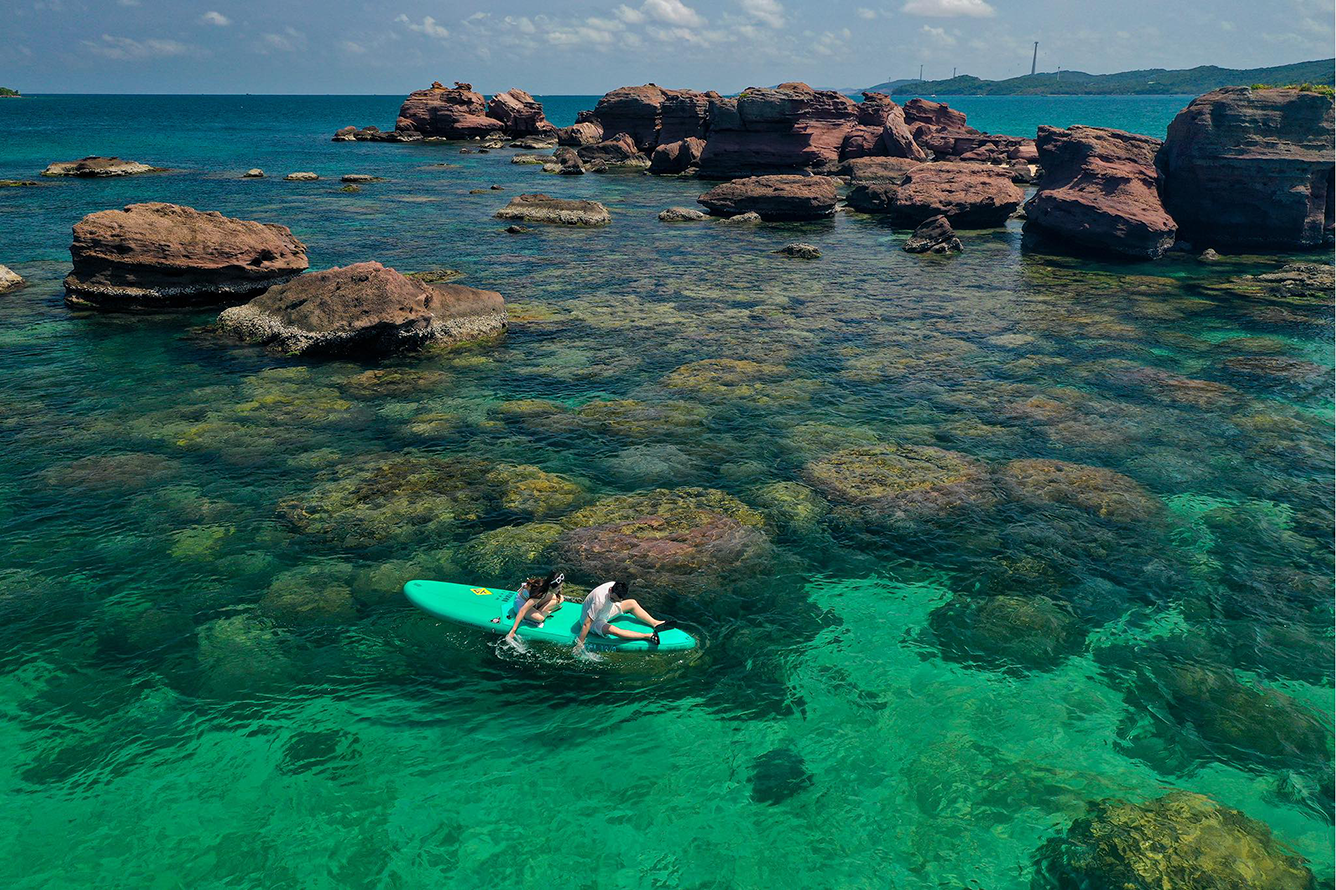
Excellent for Diving and Snorkeling: The sea visibility is superb, particularly around the An Thoi Archipelago.
Vibrant Atmosphere: Tourists from all over the world flock to Phu Quoc, giving it a lively and social vibe.
Festivals and Events: Experience local celebrations like Tet (Vietnamese Lunar New Year) or Fish Sauce Festival in Duong Dong.
💡 Travel Tip: Book your hotel early if you plan to visit between December and February, as this is the peak tourist season. Prices can increase, and top resorts fill up fast.
4. The Rainy Season (May – October): Quiet and Green
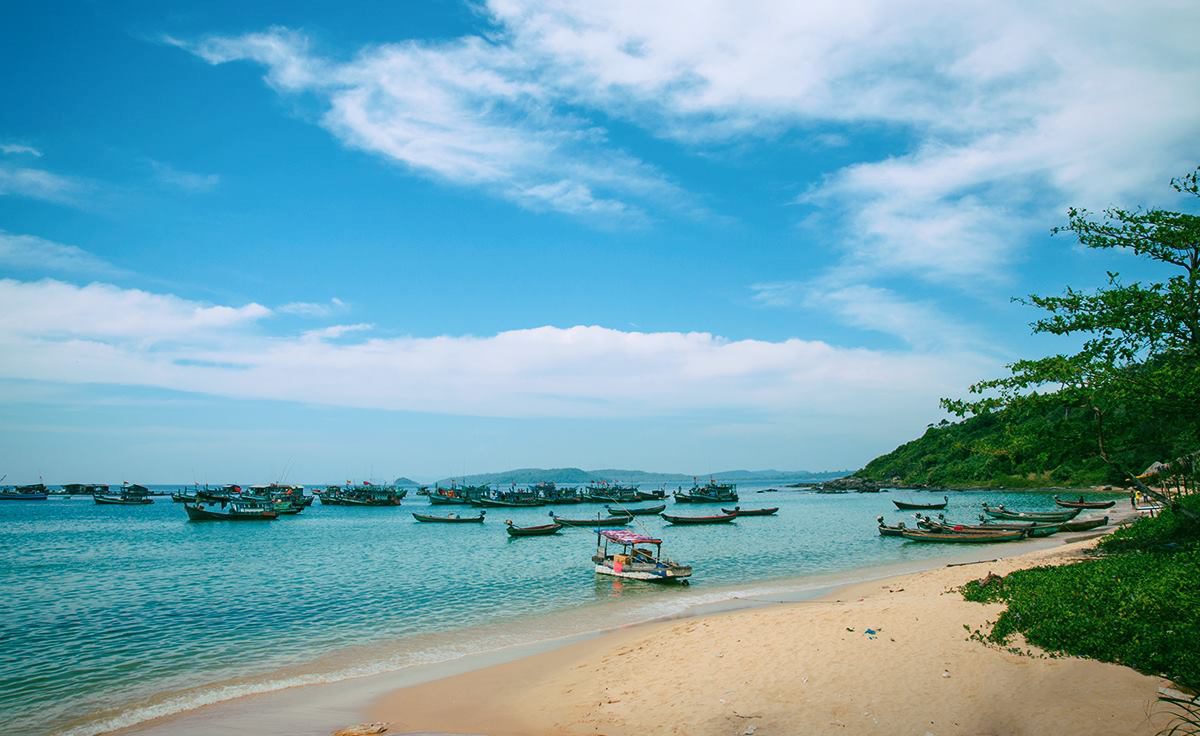
While many avoid the rainy months, this season has its own peaceful beauty. Showers often occur in short bursts, usually in the late afternoon or evening, leaving mornings clear and fresh.
Why Consider Visiting During the Rainy Season
Lower Prices: Airfares and accommodation rates drop significantly, making it a great time for budget travelers.
Fewer Crowds: Enjoy secluded beaches and tranquil resorts all to yourself.
Nature at Its Best: The rainforest turns lush and vibrant, and waterfalls like Suoi Tranh and Suoi Da Ban flow at their fullest.
However, keep in mind:
Boat tours to small islands may be canceled due to strong winds.
Roads in rural areas can become muddy, so motorbike rentals might be less ideal.
🌧️ Travel Tip: Pack a light raincoat, quick-dry clothing, and waterproof shoes — you’ll still have plenty of sunny moments between showers.
5. Month-by-Month Breakdown: What to Expect
| Month | Weather Conditions | Travel Highlights |
|---|
| November | Start of dry season, warm and breezy | Great for sightseeing and snorkeling |
| December – February | Peak season, sunny and cool evenings | Perfect beach weather, festive vibes |
| March – April | Warm and calm sea, fewer crowds | Ideal for diving and sunset photography |
| May – June | Start of rainy season, light showers | Fewer tourists, great hotel deals |
| July – August | Heavy rains at times | Lush landscapes, quiet island life |
| September – October | Transition period | Occasional rain, peaceful and affordable |
6. Personal Experience: My Favorite Month to Visit Phu Quoc
As someone who loves exploring Vietnam’s islands, my favorite month to visit Phu Quoc is March. The sea is crystal clear, humidity is low, and the crowds have started to thin out after the high season rush.
During my last trip, I spent the mornings snorkeling off Hon Thom Island, afternoons exploring pepper farms, and evenings savoring fresh seafood at the Duong Dong Night Market. The sunsets — fiery orange fading into pink — were nothing short of magical.
7. What to Pack for Each Season
Dry Season Essentials
Lightweight clothing, swimsuits, sunglasses, reef-safe sunscreen
Flip-flops or sandals for the beach
A light jacket for cooler evenings
Rainy Season Essentials
Waterproof shoes, raincoat, or umbrella
Mosquito repellent (especially near forests)
Power bank — occasional storms can cause brief power cuts
🎒 Pro Tip: No matter when you go, always carry a reusable water bottle and respect the island’s eco-friendly initiatives.
8. Final Thoughts: Choosing the Right Time for You
Ultimately, the best time to visit Phu Quoc depends on what you’re looking for:
🌞 Dry Season (Nov–Apr): For the best beach weather, vibrant nightlife, and adventure.
🌧️ Rainy Season (May–Oct): For peace, nature, and lower costs.
Whether you crave sun-soaked days or serene, rain-scented mornings, Phu Quoc never disappoints. Each season paints a different picture of Vietnam’s island paradise — and whichever time you choose, you’ll find yourself longing to return.