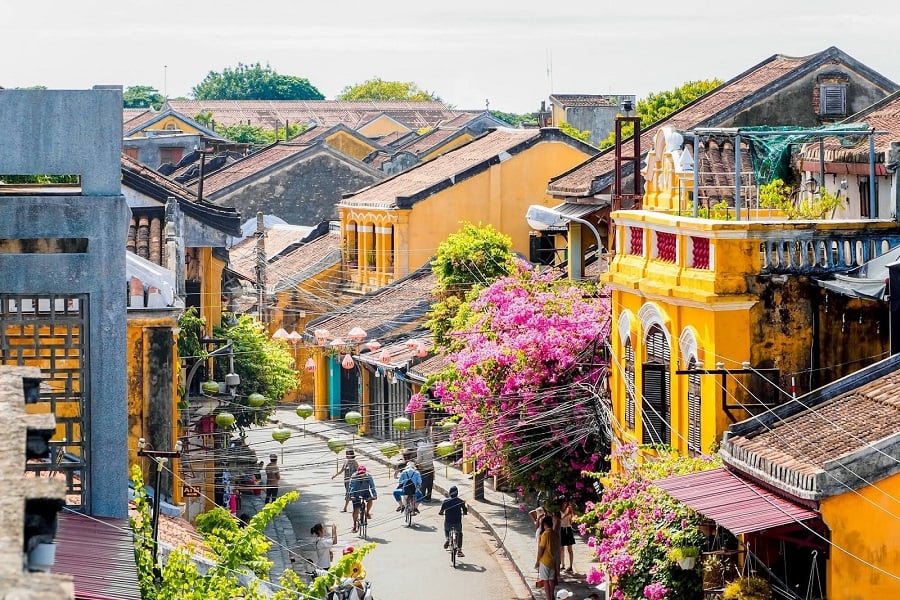
Best Time to Visit Vietnam (By Region & Month)
The best time to visit Vietnam is from November to April, when the weather is cool and dry across most regions. However, the ideal time varies by region — from northern mountains to central beaches and southern islands.
🧭 Introduction: Why Choosing the Right Time Matters
Vietnam stretches over 1,600 kilometers from north to south, crossing multiple climate zones — meaning the weather can differ dramatically from one region to another.
In Hanoi, you might feel a cool breeze while in Ho Chi Minh City, the sun blazes bright. The central coast can have storms even when the Mekong Delta enjoys calm sunshine.
That’s why understanding Vietnam’s regional seasons is key to planning the perfect trip. This guide breaks down the best months to visit each region, explains what weather to expect, and offers real examples to help you decide when to go.
🌏 Vietnam’s Climate Overview
Vietnam has a tropical monsoon climate, with two main seasons:
- Dry season: November to April
- Rainy season: May to October
However, because of the country’s shape and geography, the pattern differs between the North, Central, and South.
Let’s explore each region in detail 👇
🏔️ 1. Northern Vietnam (Hanoi, Sapa, Ha Long Bay)
Best Time: October – April
Temperature Range: 15°C – 25°C (59°F – 77°F)
Northern Vietnam experiences four distinct seasons, unlike the rest of the country.
🌸 Spring (February – April)
- Weather: Mild and pleasant, ideal for sightseeing.
- Best for: Visiting Hanoi’s Old Quarter, Ha Long Bay cruises, trekking in Sapa.
- Example: In March, Ha Long Bay’s emerald waters reflect the limestone cliffs beautifully — a photographer’s dream.
☀️ Summer (May – August)
- Hot and humid with heavy rain in July and August.
- Good for Ha Long Bay if you don’t mind short showers.
🍁 Autumn (September – November)
Best time of all! Clear skies, golden rice terraces in Sapa, and comfortable weather in Hanoi.
❄️ Winter (December – January)
- Temperatures can drop to 10°C (50°F) in Hanoi and near freezing in Sapa.
- Great for cultural tours, less ideal for beaches.
💡 Travel Tip: Autumn (Oct–Nov) is the best season for northern Vietnam — cool, clear, and full of color.
🏖️ 2. Central Vietnam (Hue, Da Nang, Hoi An, Nha Trang)
Best Time: February – August
Temperature Range: 24°C – 33°C (75°F – 91°F)
Central Vietnam enjoys a tropical climate with warm, sunny beaches — but also faces typhoons from September to November.
🌞 February – May: Perfect for Culture & Beaches
- Clear skies, light breezes — perfect for walking around Hoi An Ancient Town or relaxing in Da Nang.
- Hue’s Imperial Citadel and My Khe Beach are must-visits during this period.
🏄 June – August: Hot but Fun
- Ideal for water sports and beach lovers.
- Nha Trang and Quy Nhon shine with calm, turquoise water.
🌧️ September – November: Rainy Season & Typhoons
- Some storms may disrupt travel plans.
- However, Hue Festival often takes place in early autumn, offering a cultural highlight.
🌺 Example: In April, Hoi An is lit with lanterns during the Full Moon Festival — an unforgettable scene by the Thu Bon River.
🌴 3. Southern Vietnam (Ho Chi Minh City, Mekong Delta, Phu Quoc Island)
Best Time: November – April
Temperature Range: 25°C – 35°C (77°F – 95°F)
Southern Vietnam has two seasons only — dry and rainy — but warm temperatures all year round.
☀️ Dry Season (November – April)
- Perfect for: Exploring Ho Chi Minh City, cruising the Mekong Delta, and relaxing in Phu Quoc.
- Expect clear blue skies and calm seas.
- Phu Quoc beaches shine from December to March, with ideal swimming conditions.
🌧️ Rainy Season (May – October)
- Short but intense tropical rains.
- Advantages: Lower hotel prices, fewer crowds, lush green countryside.
- Example: Visit Can Tho Floating Market early in the morning for a truly local experience, even during light rains.
🌡️ 4. Best Time to Visit Vietnam by Month (At a Glance)
Quick month-by-month overview
| Month | Weather Summary | Best Places to Visit |
|---|
| January | Cool & dry | Hanoi, Sapa, Ha Long Bay |
|---|
| February | Mild, festive | Hoi An, Hue, Mekong Delta |
|---|
| March | Warm, dry | Ha Long Bay, Da Nang, Phu Quoc |
|---|
| April | Sunny & comfortable | Nha Trang, Hoi An, Ho Chi Minh City |
|---|
| May | Start of rainy season | Central Highlands, fewer tourists |
|---|
| June | Hot, humid | Nha Trang beaches, islands |
|---|
| July | Rainy but lush | Northern mountains, Ha Long Bay |
|---|
| August | Mixed weather | Sapa, Hoi An lantern festival |
|---|
| September | Autumn in North | Hanoi, Ninh Binh |
|---|
| October | Cool & clear | Ha Long Bay, Phu Quoc |
|---|
| November | Dry & pleasant | Mekong Delta, Da Lat |
|---|
| December | Sunny & festive | Phu Quoc, Hoi An, Hanoi |
|---|
🧳 5. Travel Examples by Itinerary Type
✈️ If You’re Visiting Vietnam for 1 Week
- Best Months: February – April
- Suggested Itinerary:
- Day 1–2: Hanoi
- Day 3–4: Ha Long Bay
- Day 5–7: Hoi An or Da Nang
🚞 If You’re Planning a 2-Week North-to-South Trip
- Best Months: October – March
- Route Example: Hanoi → Ninh Binh → Hue → Hoi An → Da Nang → Ho Chi Minh City → Phu Quoc
🏖️ If You’re a Beach Lover
- Best Months: December – May
- Top Spots: Da Nang, Nha Trang, Phu Quoc, Con Dao
🌍 Tip: Combine regions smartly — when the north is cool and dry, the south is sunny and perfect for beaches.
🌦️ 6. Festivals & Seasonal Highlights
Major festivals across the year
| Festival | Month | Location | Why Visit |
|---|
| Tet (Lunar New Year) | Jan–Feb | Nationwide | Biggest festival, fireworks, traditional food |
|---|
| Hue Festival | April–May | Hue | Historical performances and royal parades |
|---|
| Hoi An Lantern Festival | Monthly | Hoi An | Magical evening with floating lanterns |
|---|
| Mid-Autumn Festival | Sept | Hanoi, Hoi An | Colorful parades and mooncakes |
|---|
🧠 7. Final Tips for Planning Your Trip
- Always check regional forecasts — weather can vary drastically.
- Book trains and flights early during Tet (Lunar New Year).
- Pack layers if traveling between north and south.
- Avoid typhoon season (Sept–Nov) if planning to visit Central Vietnam.
- If you prefer cool air and culture, head north; if you love sun and beaches, the south awaits.
🌅 Conclusion: So, When Is the Best Time to Visit Vietnam?
In short:
- For comfortable weather and diverse experiences, visit from November to April.
- For budget-friendly, lush scenery, consider May to October.
Vietnam is beautiful in every season — from misty northern mountains to sun-drenched southern islands. The key is matching your interests with the country’s climate zones.
Whether you’re chasing ancient temples, mountain trails, or turquoise beaches — Vietnam always has a perfect season waiting for you.