
In Vietnam, coffee is patience, connection, and creativity—from roadside stools to minimalist cafés, it shapes the social fabric of daily life.
Vietnam’s coffee culture blends French colonial influence with deeply rooted local habits. Coffee here isn’t just a drink—it’s a symbol of patience, connection, and creativity.
1) The Origins of Vietnamese Coffee
Coffee arrived in the mid-19th century with French missionaries and settlers who introduced Arabica and café society. Vietnam quickly made it its own.
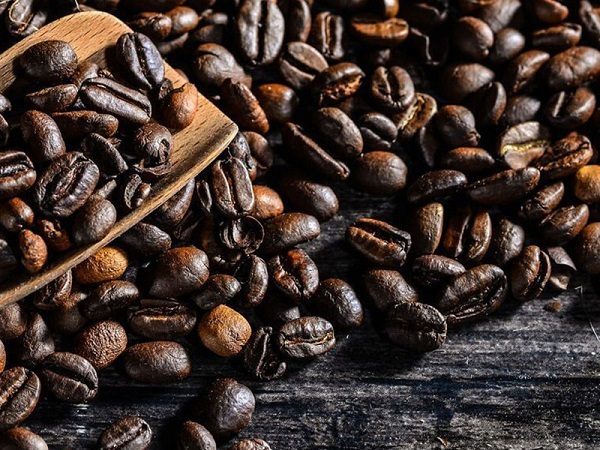
The Central Highlands—Buôn Ma Thuột, Lâm Đồng, Gia Lai—proved ideal for cultivation. Vietnam grew into one of the world’s top producers, renowned for robust, full-bodied Robusta, now a hallmark of local brews.
Unlike the fast espresso routine, Vietnamese coffee evolved to local rhythms: slow, patient, communal.
2) The Art of “Cà phê phin” — The Soul of Vietnamese Coffee
The phin filter—a small metal dripper—turns brewing into an experience. Add grounds, pour hot water, and wait: drop by drop, the cup forms. The pause is the point.
It’s common to sit streetside, watching the drip and talking. The cup is strong, rich, aromatic, often with sweetened condensed milk.
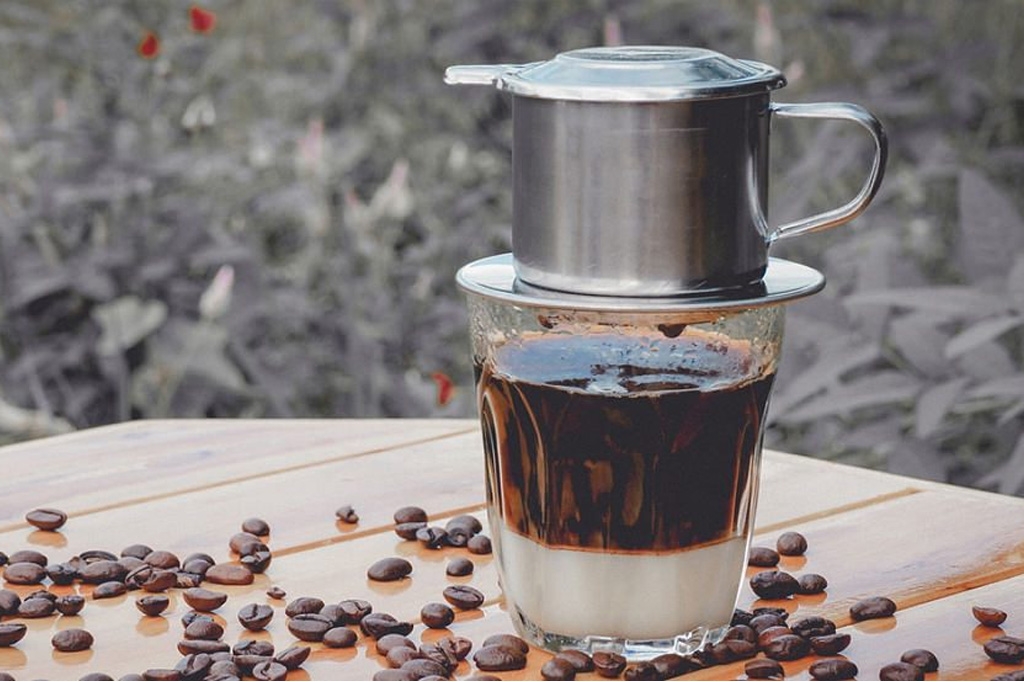
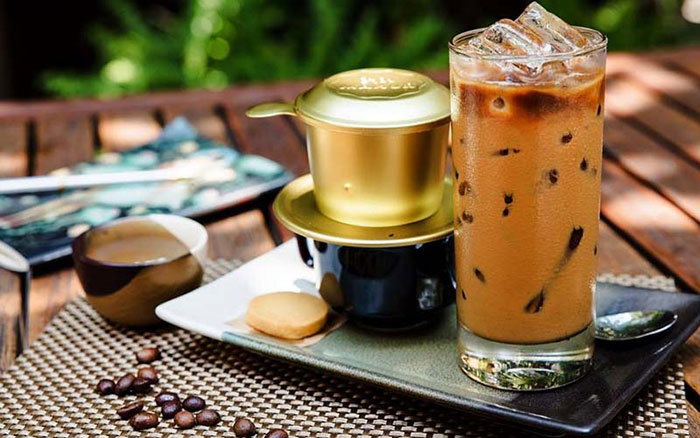
Cà phê sữa đá — The National Favorite
Strong iced coffee with condensed milk: sweet, bold, refreshing—the everyday classic.
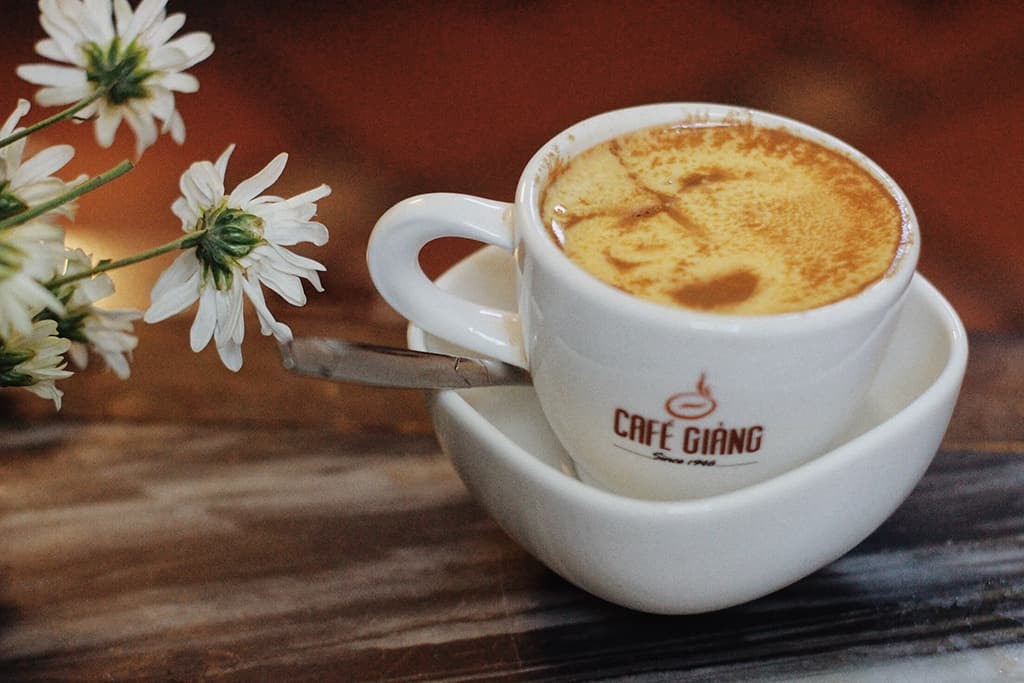
Cà phê trứng — Hanoi’s Iconic Egg Coffee
Created in the 1940s by Nguyễn Văn Giảng: whipped egg yolk, sugar, and condensed milk form a custardy foam atop strong coffee—a dessert in a cup.
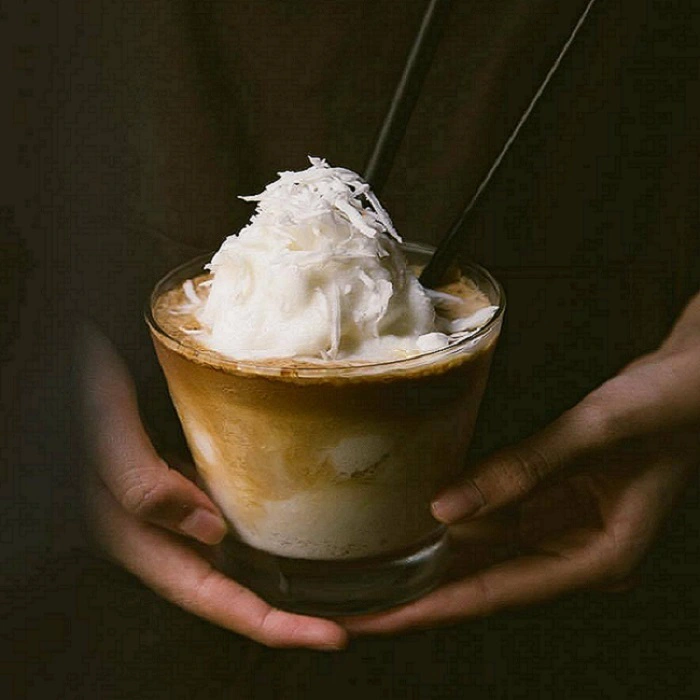
Cà phê dừa — Coconut Coffee Delight
A southern twist: creamy coconut milk meets robust coffee—tropical and aromatic.
Other Local Favorites
- Bạc xỉu: Milk-forward iced coffee—gentler and sweet.

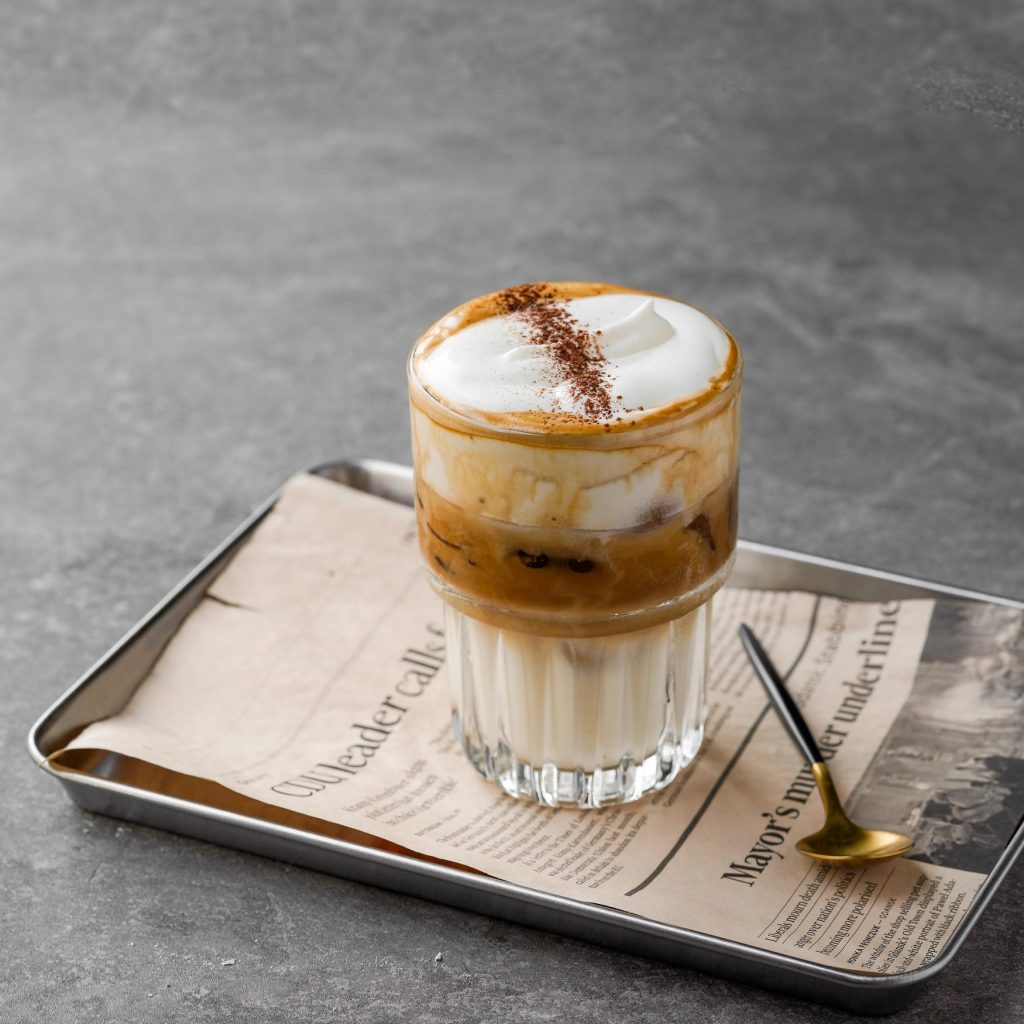
- Cà phê muối (Salt Coffee): From Huế—coffee, milk, and a pinch of salt to round sweetness and body.
4) Coffee as a Social Ritual
In Vietnam, coffee is shared. Cafés double as living rooms, studios, boardrooms, and balcony seats on city life.
- Hanoi: Vintage charm, slow talks, classical playlists.
- Ho Chi Minh City: Energetic and experimental—rooftops and “hidden” minimalist bars.
- Huế: Poetic riverfront calm; lingering cups.
- Central Highlands: Coffee as livelihood and landscape.
Street stools, metal trays, scooter hum—coffee moments in rhythm and rest.
5) The Modern Evolution of Vietnamese Coffee
A renaissance led by young roasters focuses on sustainability, quality, and fair pay—while honoring tradition.
In Đà Lạt and Ho Chi Minh City, third-wave cafés serve single-origin Arabica and premium Robusta, cold brews, and playful fusions—salt-caramel lattes, egg-coffee affogatos. Vietnam is championing high-grade Robusta globally.
6) Experiencing Vietnamese Coffee — A Traveler’s Guide
- Hanoi sidewalk phin at dawn—hear the city wake.
- Egg coffee at Café Giảng—taste the original.
- Coconut coffee in Saigon—sweet, modern, fun.
- Buôn Ma Thuột—tour plantations and roasteries.
- Đà Lạt third-wave cafés—mountain air meets innovation.


