Vietnam is widely regarded as one of Southeast Asia’s safer destinations for solo travelers. Violent crime is rare; the main hazards are petty theft, traffic ...

🧩 Featured Snippet:
To stay safe and healthy in Vietnam, practice food and water hygiene, protect against mosquitoes, wear helmets when on motorbikes, and get proper travel insurance. Vietnam is a friendly, safe country — a bit of preparation makes your trip even better.
🌏 Introduction
Vietnam is one of Southeast Asia’s most fascinating travel destinations — a land of emerald rice paddies, limestone cliffs, chaotic yet charming cities, and some of the friendliest people you’ll ever meet.
As someone who has traveled across Vietnam multiple times — from the ancient streets of Hội An to the misty mountains of Sapa — I can confidently say that Vietnam is both safe and welcoming. However, like any destination, it comes with its own set of challenges, especially when it comes to staying healthy and safe.
This guide combines practical advice and real travel experiences to help you navigate Vietnam with confidence and peace of mind.
🥗 1. Food and Water Safety: Enjoy Vietnam’s Cuisine Smartly
Vietnamese food is a highlight of any trip — fresh, flavorful, and full of character. But if you’re not careful, even a delicious bowl of street-side phở can lead to an upset stomach.
Here’s how to eat safely while still enjoying every bite:
Choose busy stalls: A long queue usually means the food is fresh and trusted by locals.
Watch the cooking process: Make sure your food is cooked thoroughly and served hot.
Avoid raw vegetables or unpeeled fruits from street vendors unless you can wash or peel them yourself.
Drink bottled or filtered water only. Most locals avoid tap water even for brushing teeth.
Skip ice cubes unless you know they’re made from purified water.
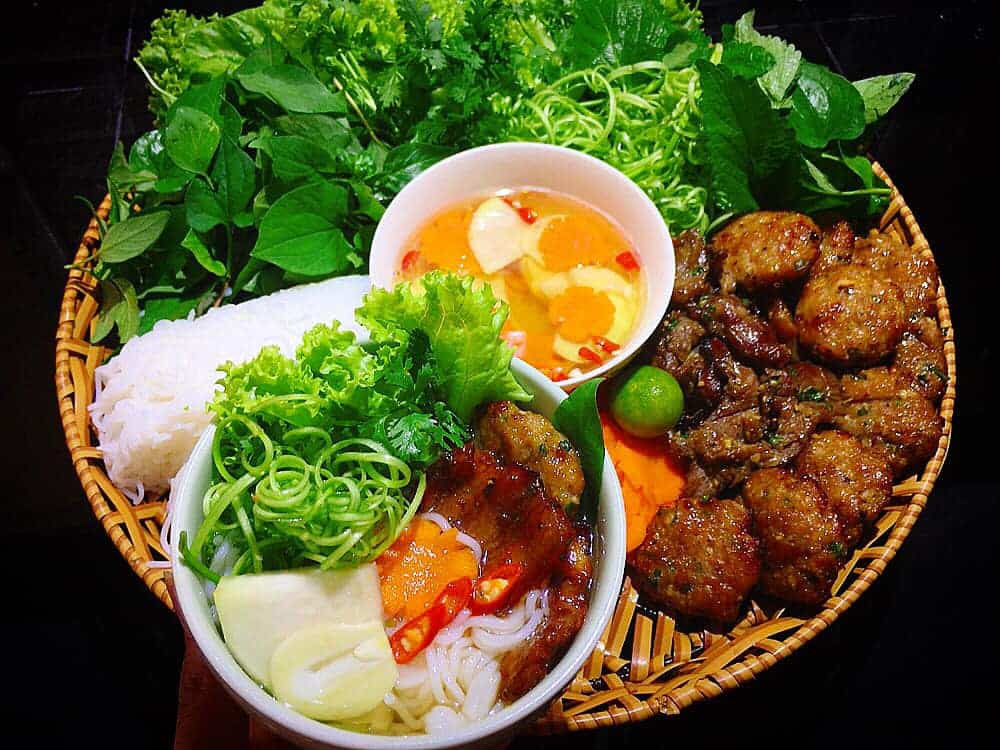
💡 Traveler’s note: In Hanoi, I once had the best bún chả of my life from a street vendor who cooked right in front of me — clean station, fresh ingredients, and steaming hot portions. That’s the kind of spot you want!
🦟 2. Mosquito Protection and Health Precautions
Vietnam’s tropical climate means mosquitoes are common, especially in rural areas or during the rainy season. While malaria is rare in cities, dengue fever can occur in both urban and rural regions.
To protect yourself:
Apply DEET-based repellent daily, especially around ankles and wrists.
Wear light-colored, long-sleeved clothes in the evenings.
Sleep with a mosquito net if you’re in rural or jungle areas.
Use fans or air conditioning, as mosquitoes dislike cool, moving air.
If you’re traveling to remote provinces (like the Central Highlands), consult your doctor about recommended vaccinations (hepatitis A, typhoid, and tetanus are commonly suggested).
🛵 3. Traffic and Transportation Safety
Let’s be honest: traffic in Vietnam can look wild to first-time visitors. Scooters everywhere, honking constantly, moving in every direction — but somehow, it works!
Still, you’ll need to be cautious.
Crossing the street: Don’t panic. Walk slowly and steadily — Vietnamese drivers anticipate your pace and will flow around you.
Motorbike rentals: Always wear a helmet and ensure your international driver’s license is valid for motorcycles. Police occasionally check this in tourist areas.
Avoid driving at night in rural regions where lighting is poor and animals may wander onto roads.
Use Grab, a popular ride-hailing app (like Uber), for reliable and affordable rides.
💡 Personal tip: I once rode a motorbike from Huế to Đà Nẵng along the famous Hải Vân Pass — breathtaking views but also sharp turns. If you’re not confident, hire a local driver or go on an organized motorbike tour.
🏥 4. Healthcare and Travel Insurance
Vietnam’s healthcare system has improved significantly over the years, with modern facilities in major cities like Hanoi, Da Nang, and Ho Chi Minh City.
International hospitals (e.g., FV Hospital, Family Medical Practice) have English-speaking staff and excellent care.
Pharmacies are common, but not all medications meet Western standards. Bring your own prescribed meds in original packaging.
Travel insurance is essential — especially one that covers medical evacuation and hospital stays.
In case of emergency, remember these numbers:
Police: 113
Fire: 114
Ambulance: 115
💡 Traveler’s story: During my first trip, a friend had mild food poisoning in Nha Trang. The local clinic was surprisingly efficient and inexpensive — proof that good healthcare is accessible when you know where to go.
🌤️ 5. Weather and Environmental Health
Vietnam’s long, narrow shape means its climate varies dramatically from north to south.
Northern Vietnam (Hanoi, Sapa): Cool winters (Dec–Feb) — bring a light jacket.
Central Vietnam (Hue, Hoi An): Typhoon season (Sept–Nov) — avoid swimming during storms.
Southern Vietnam (Saigon, Mekong Delta): Hot and humid year-round — stay hydrated.
Essential health tips:
Drink electrolyte water if exploring under the hot sun.
Use SPF 30+ sunscreen daily.
Always carry hand sanitizer and tissues (many local restrooms lack soap).
During monsoon season, wear quick-dry clothing and pack a waterproof bag for electronics.
🧘♀️ 6. Mental Wellness and Cultural Awareness
Traveling in a new environment can be mentally tiring. Take care of your emotional well-being, too.
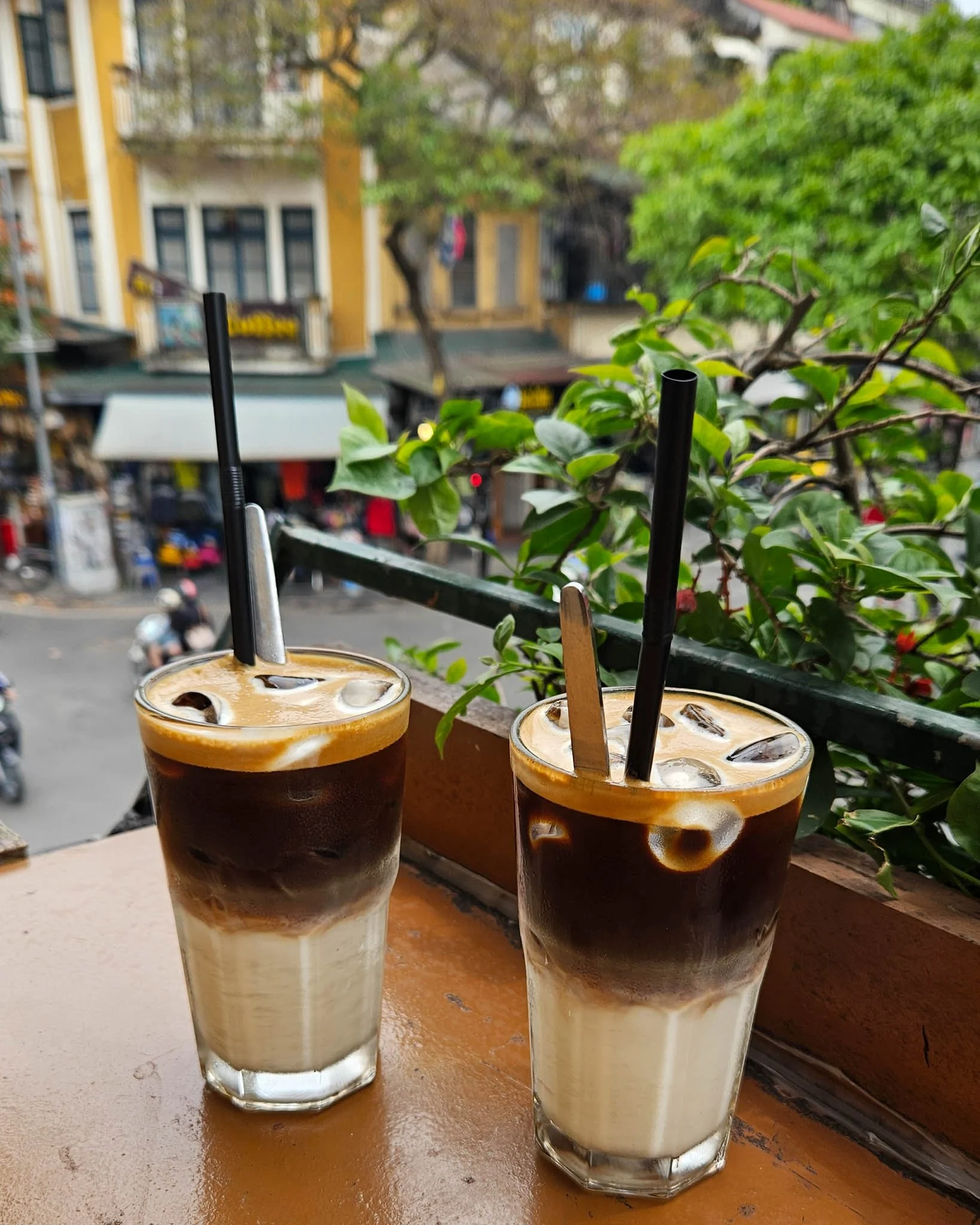
Slow down — enjoy a Vietnamese coffee by the lake or a peaceful afternoon at a spa.
Learn a few basic Vietnamese phrases — locals appreciate the effort and respond warmly.
Be respectful when visiting temples: dress modestly and remove shoes when required.
Avoid public arguments or showing frustration — patience and a smile go a long way in Vietnamese culture.
💡 Reflection: After weeks on the road, I realized that the most valuable safety tool isn’t in your backpack — it’s your attitude. Kindness and curiosity open doors faster than anything else in Vietnam.
🌸 Conclusion
Staying safe and healthy in Vietnam isn’t about avoiding risks — it’s about traveling smart. With a few precautions and a bit of local understanding, you’ll experience a country that’s not only beautiful but also incredibly warm and kind.
Vietnam offers a unique blend of ancient culture, modern energy, and deep humanity. So pack your curiosity, your sunscreen, and your sense of adventure — and get ready to explore safely and joyfully.
✅ Quick Safety Checklist (Summary):
Drink bottled or filtered water
Eat hot, freshly cooked food
Use mosquito repellent daily
Wear helmets on motorbikes
Get travel insurance with medical coverage
Keep emergency numbers saved in your phone
Respect local customs and stay mindful
News Latest


