
✨ Introduction
As global travel rebounds after years of transformation, Vietnam stands at the forefront of Asia’s most dynamic travel evolution. No longer defined only by Ha Long Bay, Hoi An, or Sa Pa, the country is now a mosaic of untouched regions, where pristine landscapes and vibrant local traditions coexist beyond the mainstream tourist paths.
In 2025, travelers are seeking authenticity — they crave slow journeys, cultural immersion, and destinations that still feel real. Vietnam answers this call with a new generation of travel spots: mountain hamlets, volcanic islands, coffee highlands, and unspoiled coasts.
As a seasoned traveler who has roamed Vietnam from north to south, I’ve watched its hidden gems bloom into remarkable, sustainable destinations. Join me as we explore six emerging destinations in Vietnam for 2025 — the places redefining what “authentic Vietnam” means.
🏔️ 1. Ha Giang – The Northern Highland Frontier

Why it’s trending: Rugged karst landscapes, ethnic villages, and the legendary “Ha Giang Loop” motorbike route.
Best time: September–November (golden rice terraces, cool weather) or March–April (spring blossoms).
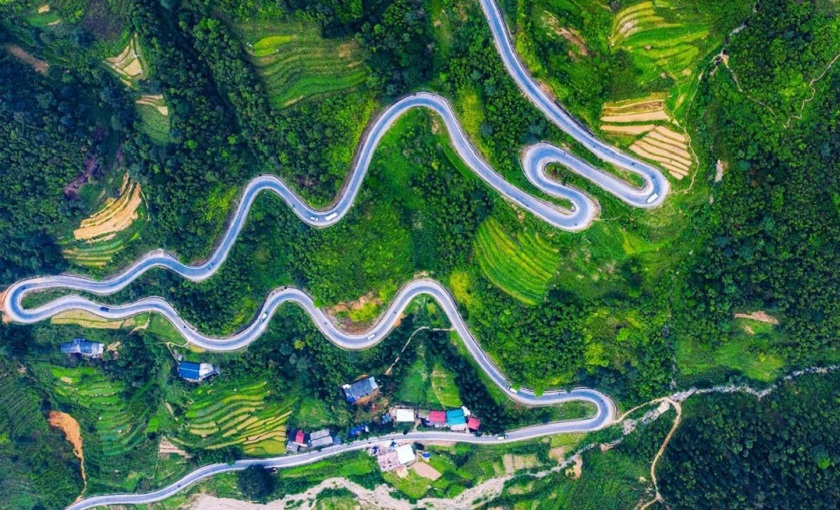
Ha Giang sits at Vietnam’s northernmost edge, bordering China — a land of dramatic limestone peaks, misty valleys, and winding mountain passes. For decades, it remained remote, accessible only to the most adventurous travelers. But as of 2025, improved roads and local tourism initiatives have opened this region to more sustainable, small-scale exploration.
The Ha Giang Loop, stretching over 350 km, is Vietnam’s most iconic motorbike route. Travelers weave through clouds at Ma Pi Leng Pass, meet Hmong and Dao families in their traditional homes, and wake up to mist drifting across rice terraces.
Top experiences:
Trek to Dong Van Karst Plateau, a UNESCO Geopark of jagged limestone and ancient rock formations.
Stay in ethnic homestays in villages like Du Gia or Lung Cu, the northernmost point of Vietnam.
Visit Meo Vac market, where minority groups exchange goods, colors, and smiles every Sunday morning.
Pro tip: Respect local customs — Ha Giang’s beauty lies in its people’s authenticity. Learn a few greetings in Hmong or Dao, and you’ll be welcomed like family.
☕ 2. Dak Lak – The Coffee Highlands of Central Vietnam
Why it’s rising: Coffee plantations, ethnic diversity (Ede, M’nong), waterfalls, and lush national parks.
Best time: November–February (harvest season, cool weather).
If Ha Giang represents Vietnam’s rugged north, Dak Lak embodies the Central Highlands’ soul — green, earthy, and deeply cultural. The capital, Buon Ma Thuot, is Vietnam’s “coffee capital,” surrounded by rolling plantations and the aroma of freshly roasted beans.
But Dak Lak offers more than caffeine — it’s a window into indigenous life. Visitors can watch Ede gong performances, explore Lak Lake by canoe, or trek through Yok Don National Park, home to elephants and rare bird species.

Top experiences:
Join a coffee farm tour, from bean picking to roasting — and sip the freshest Arabica you’ll ever taste.
Visit Dray Nur and Dray Sap Waterfalls, twin cascades roaring amid basalt cliffs.
Spend an evening in an Ede longhouse, learning about matriarchal traditions and folk music.

Travel tip: Combine Dak Lak with Gia Lai or Kon Tum for a complete Central Highlands loop — you’ll get mountain landscapes, cultural immersion, and wild adventure in one trip.
🌊 3. Cat Ba Island & Lan Ha Bay – Vietnam’s Quiet Coastal Escape
Why it’s emerging: A serene alternative to overcrowded Ha Long Bay, with fewer boats and pristine nature.
Best time: April–October (calm seas, warm weather).
Just south of Ha Long lies Cat Ba Island, the largest island in the Gulf of Tonkin — a paradise of limestone cliffs, secret coves, and coral-rich waters. Unlike Ha Long, Cat Ba retains a tranquil, authentic vibe, where visitors can still kayak undisturbed through emerald lagoons.

Lan Ha Bay, adjacent to Cat Ba, mirrors Ha Long’s beauty without the chaos. Travelers can paddle beneath towering karsts, snorkel in secluded bays, and hike through Cat Ba National Park, a biosphere reserve teeming with wildlife.
Highlights:
Kayak through Lan Ha’s hidden lagoons and limestone arches.
Trek to Navy Peak for panoramic views of the island and bay.
Explore Trung Trang Cave, known for its natural “stalactite cathedral.”
Note: Development is increasing, especially with the Amatina urban project. Visit now while Cat Ba still holds its serene charm.
🏝️ 4. Phu Quy Island – The Undiscovered Paradise
Why it’s becoming known: Remote island charm, untouched beaches, and vibrant fishing culture.
Best time: December–June (clear waters, calm seas).
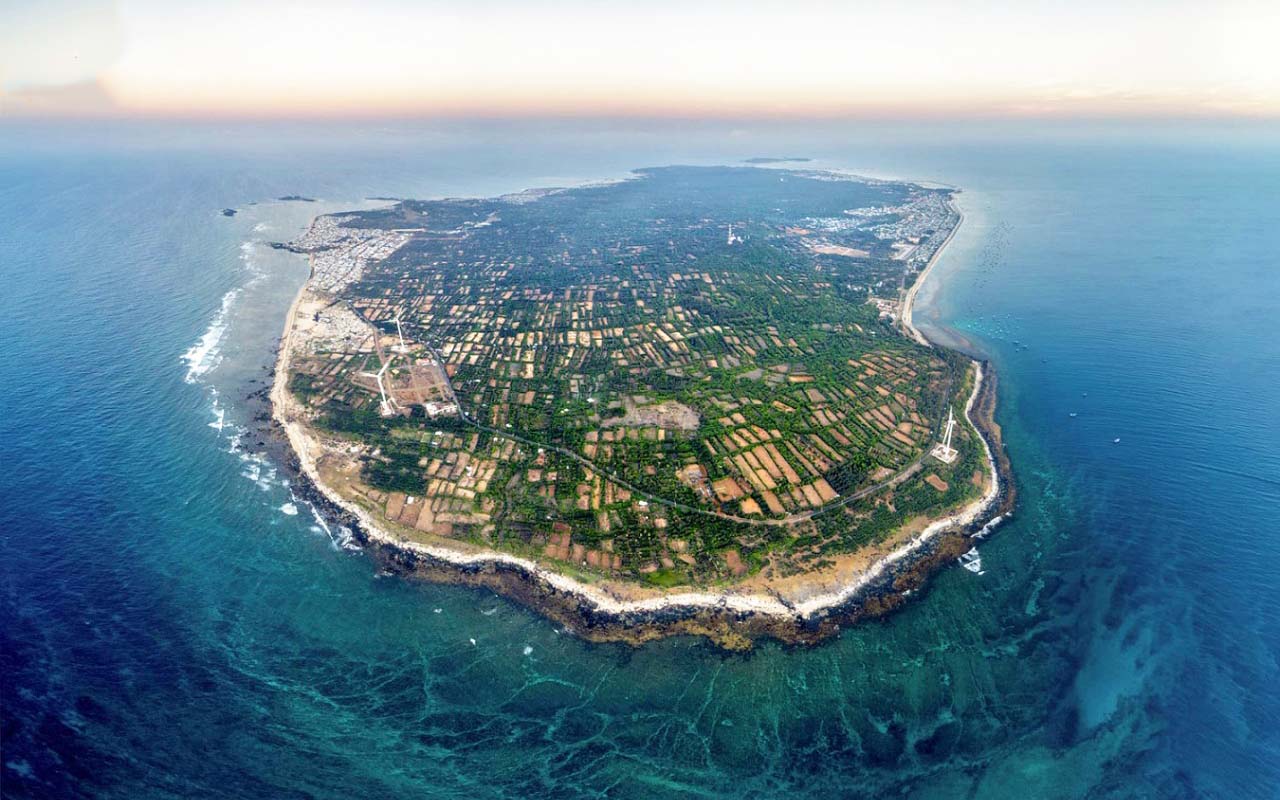
Located about 120 km from Phan Thiet, Phu Quy Island is one of Vietnam’s best-kept secrets. With only a few thousand residents and crystal-clear waters, this volcanic island feels like a journey back in time.
There are no big resorts here — only simple homestays, seafood shacks, and warm smiles. You can spend your days snorkeling among coral reefs, hiking to lighthouse viewpoints, or camping by the beach under a sky full of stars.
Top things to do:
Visit Linh Son Pagoda, perched on a cliff overlooking turquoise waters.
Watch fishermen repair nets at Nho Port in the morning light.
Try local seafood specialties like grilled scallops and sea urchin soup.
Getting there: Take a ferry from Phan Thiet (3 hours) or fly to Phan Thiet Airport (opened in 2024) and transfer to the port.
5. Quảng Bình & Đá Nhảy Beach – Beyond the Caves
Why it’s special: Famous for Phong Nha’s caves, but its coastline and lesser-known nature spots remain off the radar.
Best time: April–September (dry season).
While Quảng Bình is synonymous with the world’s largest cave, Son Doong, the province hides other marvels — Đá Nhảy Beach among them. Its name means “jumping rocks,” describing the sculpted stone formations rising from golden sand and turquoise waves.
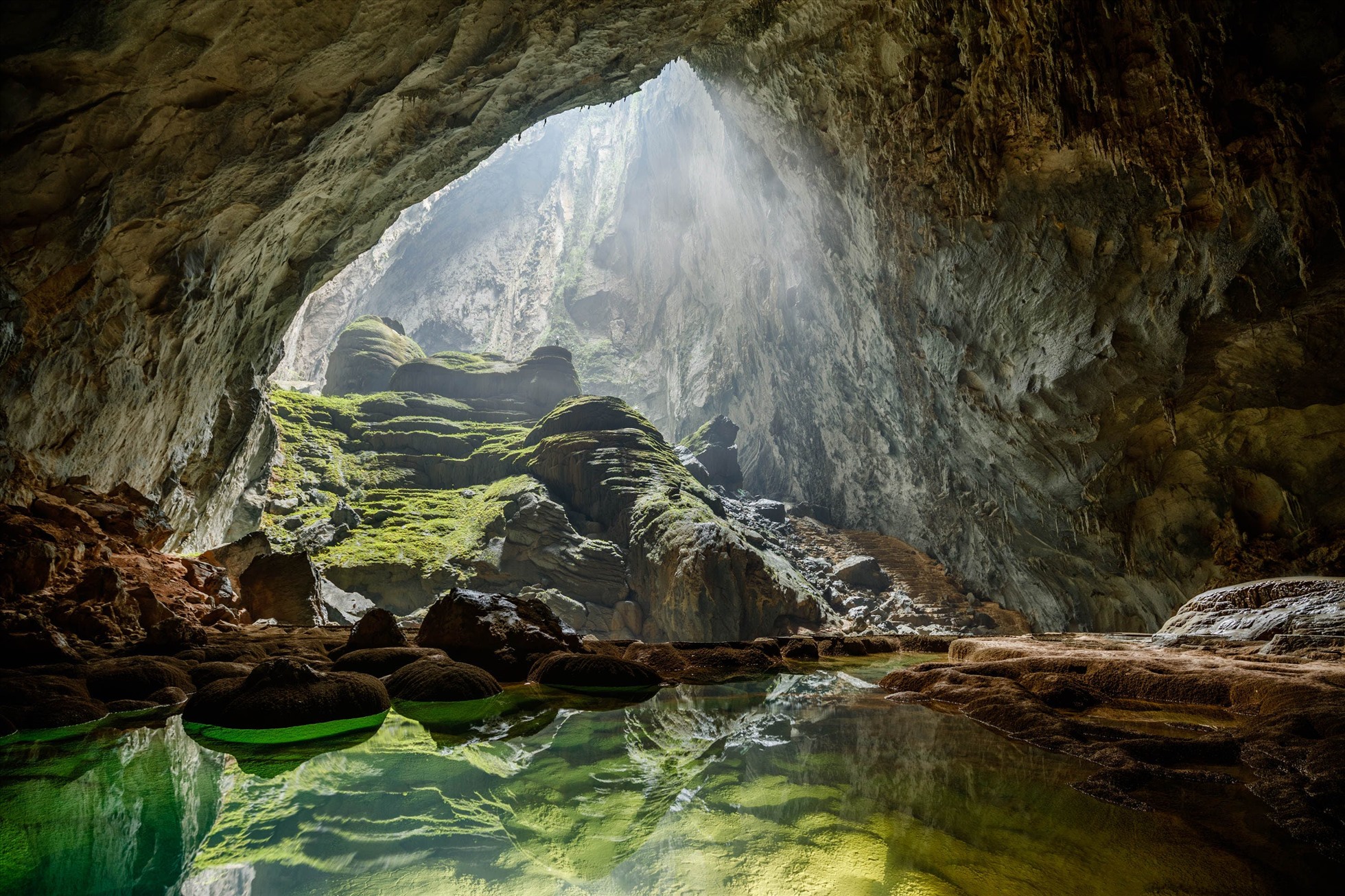
For travelers who want both adventure and relaxation, Quảng Bình is ideal. Spend your mornings caving in the jungle, and your evenings relaxing by the quiet coast.
Don’t miss:
Paradise Cave (Thien Duong) – a 31 km underground wonder with cathedral-like chambers.
Đá Nhảy Beach – surreal rock formations perfect for sunrise photography.

Ozo Treetop Park – Vietnam’s first aerial adventure course in the forest canopy.
Pro tip: Stay in a farmstay near Phong Nha for a rural experience surrounded by rice paddies and karst peaks.
🍃 6. Bảo Lộc (or Mộc Châu) – The Green Heart of the Highlands
Why it’s emerging: Cool weather, tea hills, flower farms, and tranquil homestay culture.
Best time: October–March (cool and dry).
Nestled between Da Lat and Ho Chi Minh City, Bảo Lộc is Vietnam’s next highland escape — quieter and more authentic than Da Lat’s tourist crowds. This is where tea plantations roll endlessly, waterfalls hide among the hills, and misty mornings greet you with serenity.
Alternatively, Mộc Châu in the northwest mirrors this calm charm, offering flower valleys, ethnic Thai villages, and gentle mountain routes perfect for motorbiking or photography.
Best experiences:
Stroll through Tam Chau tea hills in Bảo Lộc or plum gardens in Mộc Châu.


Visit Dambri Waterfall, one of southern Vietnam’s tallest.

Stay at a local homestay, enjoy herbal tea, and listen to stories by the fire.
Travel suggestion: Combine Bảo Lộc with Da Lat, or pair Mộc Châu with Mai Chau and Ninh Binh for a complete highland experience.
🧭 Travel Tips for Exploring Vietnam’s Emerging Destinations
Getting Around: Most of these destinations require a mix of flights, buses, and motorbike rides. Hiring a local guide enhances safety and access to hidden spots.
Accommodation: Expect eco-lodges, boutique homestays, or farmstays — charming but rustic. Booking early is wise, especially during holidays.
Cultural Etiquette: Always ask before photographing locals, especially in ethnic regions. A small gift or a friendly chat goes a long way.
Sustainability: Bring a reusable water bottle, avoid single-use plastics, and support local businesses.
Weather Check: Some highland routes and ferry trips pause during monsoon months (July–September). Check local updates before traveling.
🌿 Conclusion
Vietnam’s charm in 2025 is evolving — no longer confined to postcard cities or crowded beaches. The real beauty lies in its whispered corners, where nature breathes freely, traditions live proudly, and every traveler finds something profoundly human.
Whether you’re tracing the mountain mist of Ha Giang, sipping coffee among Dak Lak’s hills, or sleeping under the stars on Phu Quy Island, these emerging destinations offer what travel was always meant to be: authentic, transformative, and unforgettable.


