Northern Vietnam Travel Guide: Best Time to Visit, Top Attractions & Itinerary
Northern Vietnam is an enthralling region woven with history, culture, and jaw-dropping natural beauty. From the lively capital of Hanoi to the serene rice terraces of Sa Pa and the majestic limestone islands of Ha Long Bay, this region offers one of Southeast Asia’s most memorable adventures.
Best Time to Visit Northern Vietnam
Planning your trip to Northern Vietnam depends greatly on the season. The best time to visit is during spring (March–April) and autumn (September–November) when the weather is cool, dry, and perfect for outdoor exploration.
🌸 Spring (March–April)
Mild temperatures and clear skies create ideal trekking and sightseeing conditions.
The landscape is lush and vibrant, especially in rural areas like Sa Pa and Ninh Bình.
🍂 Autumn (September–November)
After the rainy season, the weather turns cool and crisp.
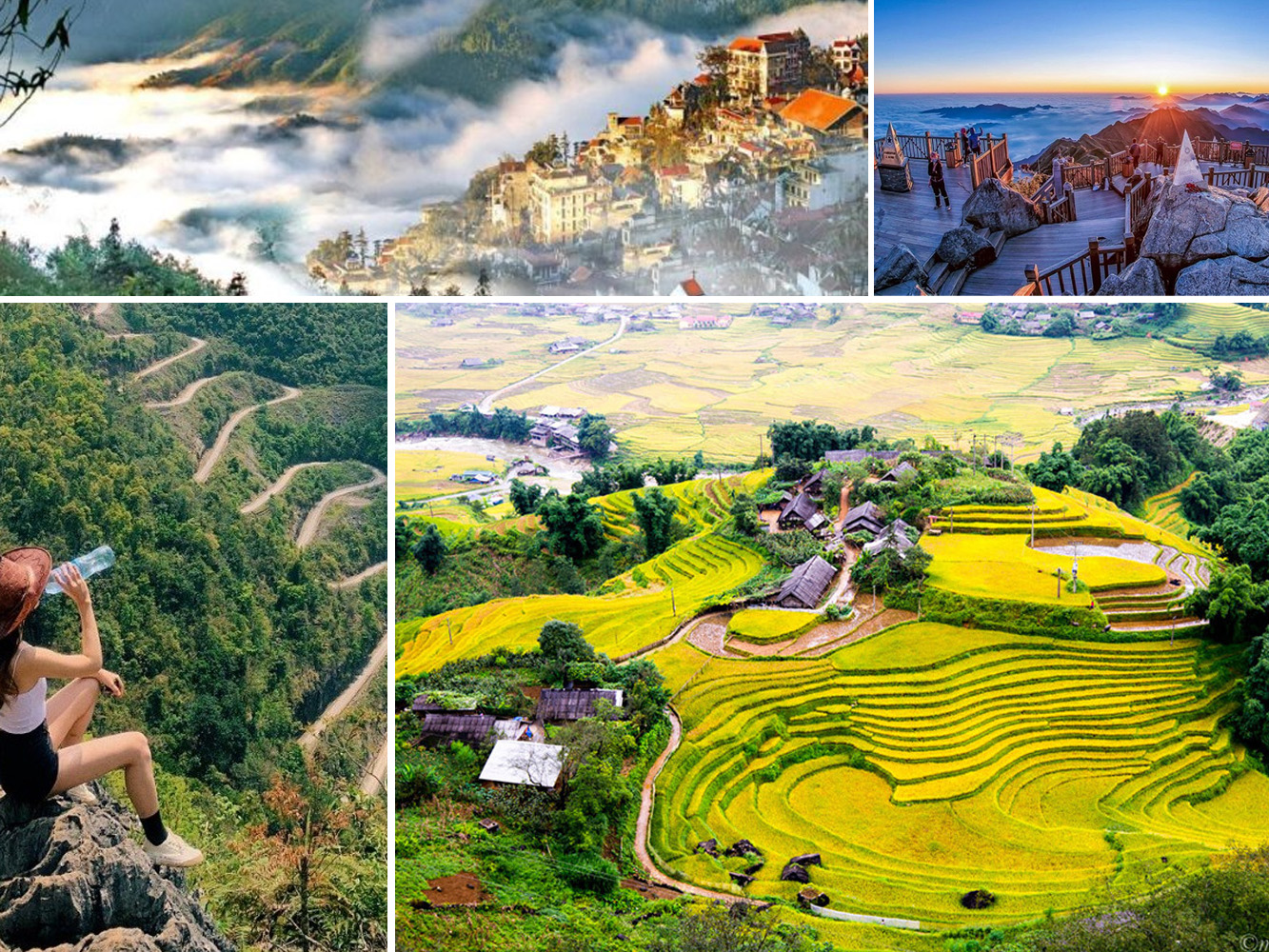
This is the best time to witness the golden rice terraces in Sa Pa and Mù Cang Chải before harvest.
☀️ Summer (May–August)
Expect hot, humid weather with frequent rain showers.
While the rice fields are a vivid green, heavy rainfall can affect hiking and transport.
❄️ Winter (December–February)
Cool and often misty, especially in mountainous areas.
Temperatures in Sa Pa can drop close to freezing — pack warm clothes!
Top Destinations in Northern Vietnam
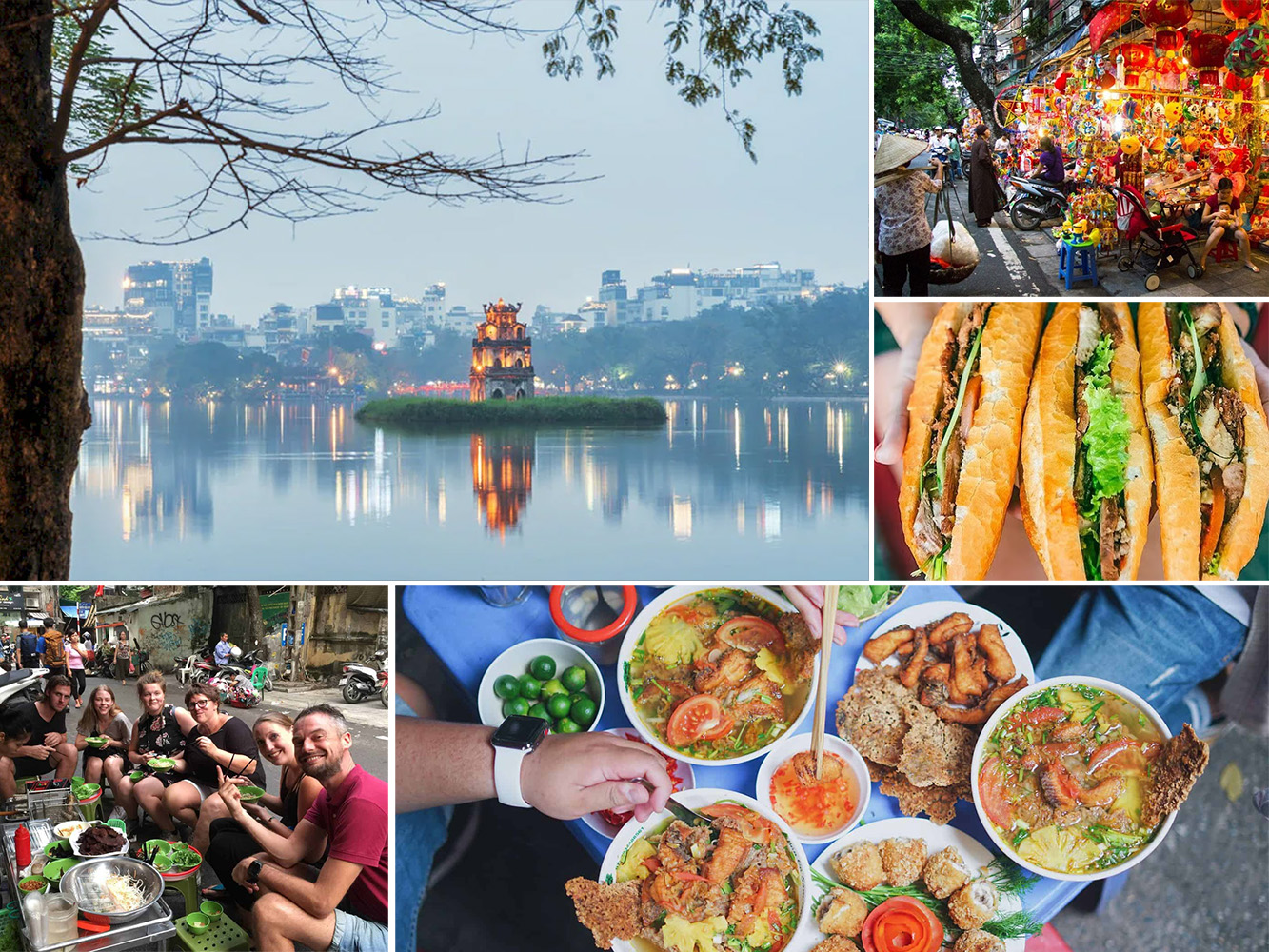
🏙️ Hanoi – The Cultural Capital
Hanoi blends ancient charm, French colonial architecture, and world-famous street food.
Old Quarter: Wander through narrow “36 streets” filled with traditional shops and markets.
Hoàn Kiếm Lake: A peaceful retreat in the city center with Ngọc Sơn Temple on a small island.
Street Food: Sample local favorites like phở (noodle soup), bún chả (grilled pork with noodles), and chả cá lã vọng (turmeric fish with dill).
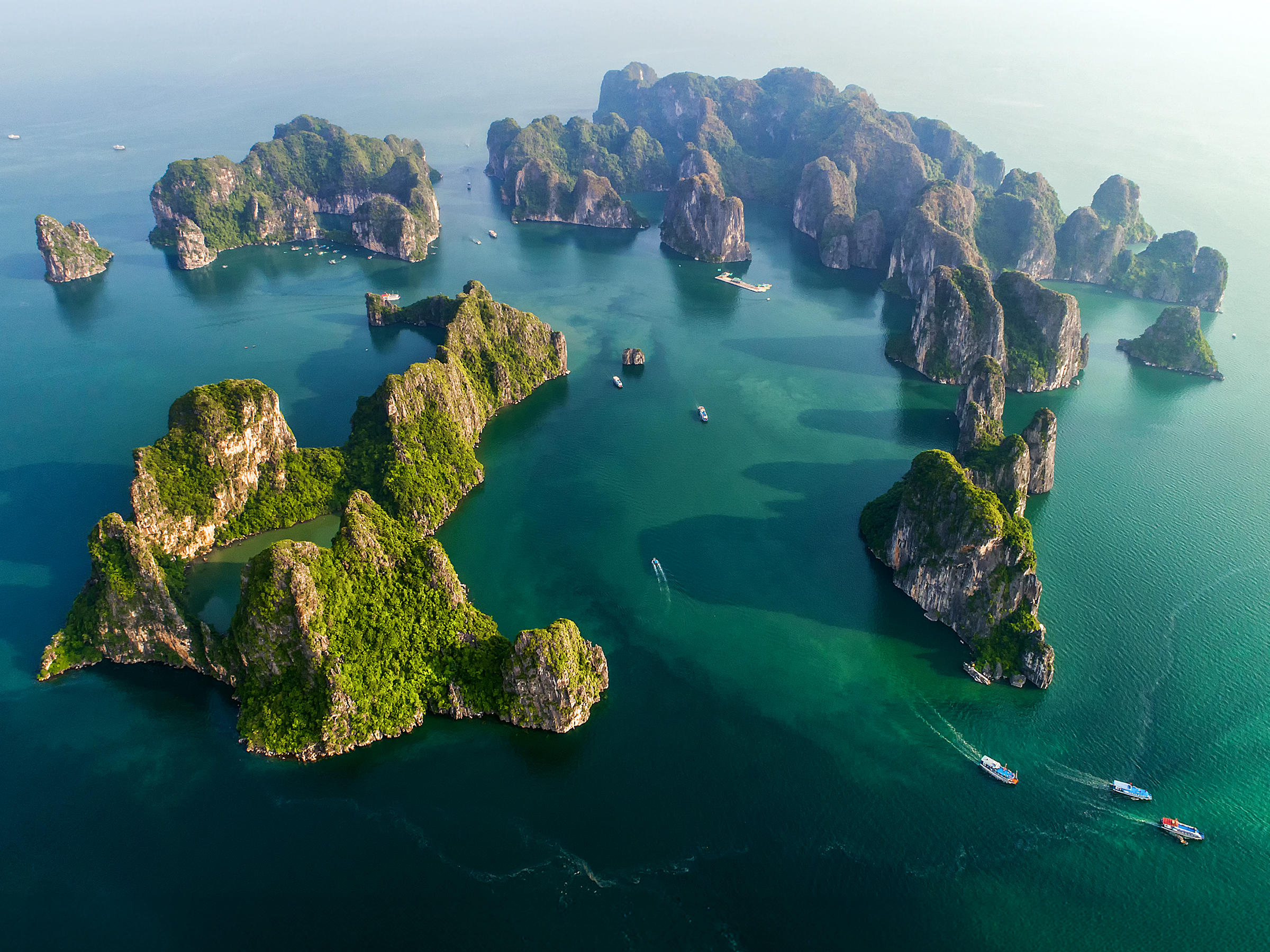
🌊 Hạ Long Bay & Lan Ha Bay – The Iconic Seascapes
A UNESCO World Heritage Site, Ha Long Bay is world-renowned for its emerald waters and limestone pillars.
Overnight Cruise: The ultimate way to experience the bay—enjoy kayaking, cave exploration, and a seafood feast under the stars.
Lan Ha Bay: Quieter and equally stunning, accessible via Cát Bà Island, ideal for those seeking tranquility.
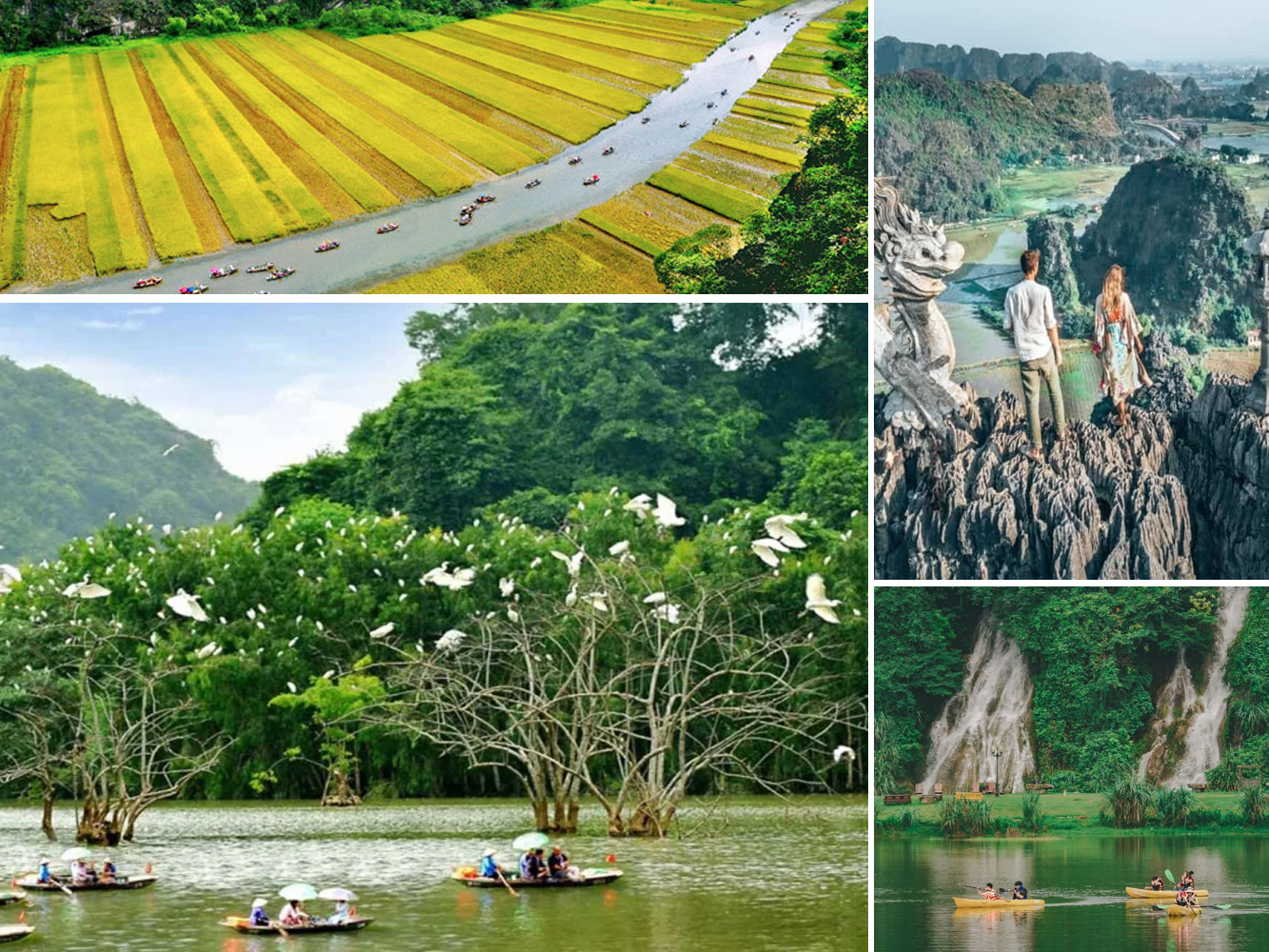
🌾 Ninh Bình – Ha Long Bay on Land
With limestone karsts rising from emerald paddies, Ninh Bình offers postcard-perfect scenery.
Tràng An Scenic Landscape Complex: Glide along tranquil waterways through caves and temples.
Tam Cốc–Bích Động: A serene rowboat journey through rice fields.
Mua Caves (Hang Múa): Climb to the top for a breathtaking panoramic view over Tam Cốc.
🏔️ Sa Pa – The Mountain Gem
Nestled in the Hoàng Liên Son Mountains, Sa Pa is famous for terraced rice fields and ethnic minority culture.
Trekking: Explore remote villages like Cat Cat and Ta Van.
Fansipan Mountain: Ride the cable car to “The Roof of Indochina.”
Homestays: Stay with local families for an authentic cultural experience.
🛣️ Hà Giang – The Ultimate Motorbike Adventure
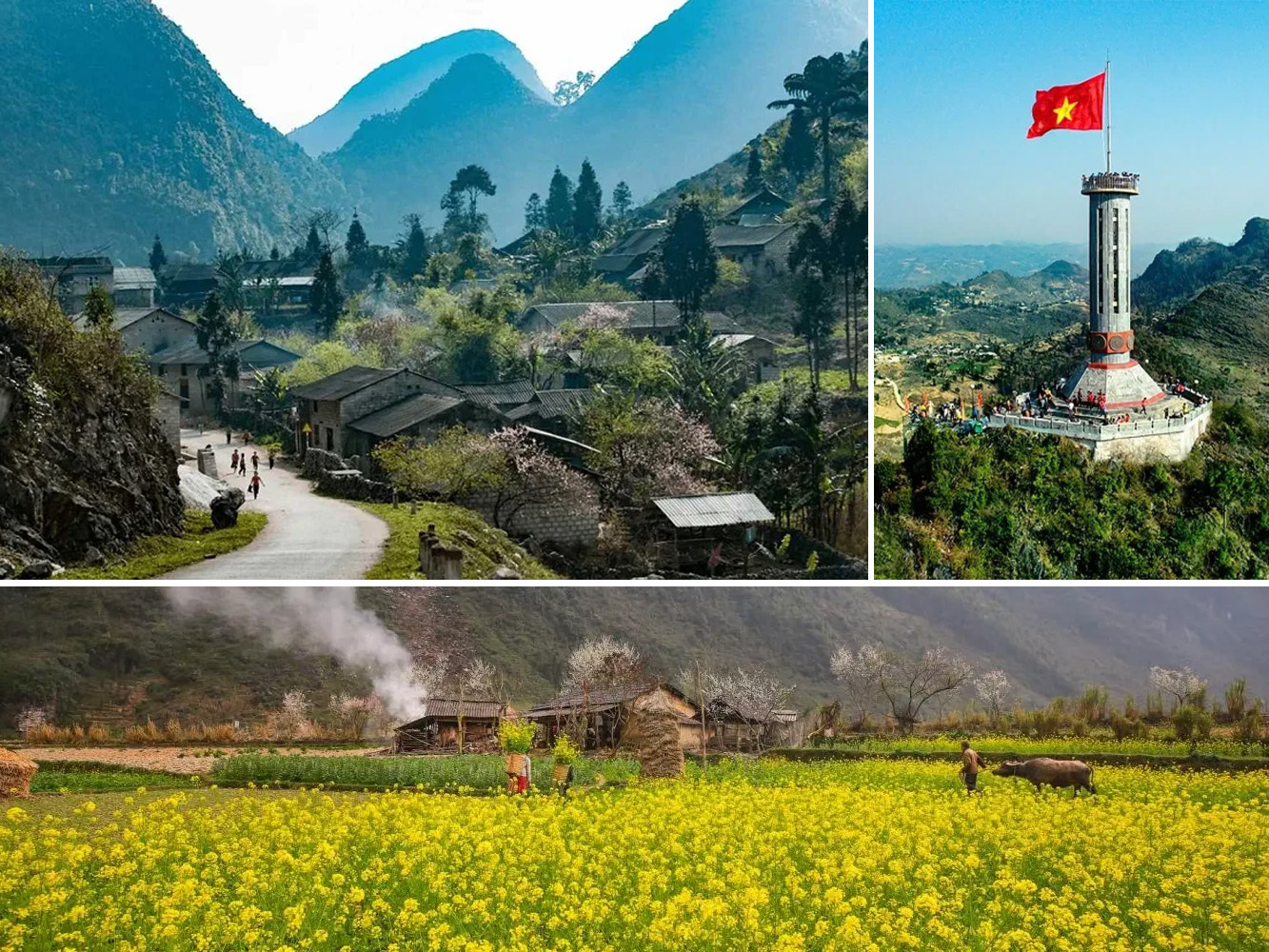
For thrill-seekers, the Hà Giang Loop offers dramatic landscapes and raw, untamed beauty.
Suggested 10–14 Day Northern Vietnam Itinerary
Whether it’s your first visit or a return trip, this itinerary balances city life, natural beauty, and adventure.
Days 1–3: Hanoi – Explore the Old Quarter, Ho Chi Minh Mausoleum, and indulge in local street food.
Days 4–5: Ha Long Bay – Overnight cruise, kayaking, and cave tours.
Days 6–7: Ninh Bình – Boat rides, cycling, and scenic hikes.
Day 8: Travel to Sa Pa (overnight train or bus).
Days 9–11: Sa Pa – Trekking, Fansipan cable car, and local markets.
Day 12: Return to Hanoi – Relax, shop, or join a food tour.
Days 13–14: Departure – Enjoy your final meal and fly home.
How to Get Around Northern Vietnam
Intercity travel: Use domestic flights, scenic trains, or comfortable overnight buses.
Within cities: Grab (ride-hailing app) and taxis are convenient. Try a xe ôm (motorbike taxi) or cyclo for a local twist.
Cultural Tips for Travelers
Respect elders: Greet them first and use both hands when giving or receiving something.
Dress modestly: Especially in temples and pagodas. Remove shoes and hats before entering.
Stay calm: Avoid public anger or loud arguments; composure is valued.
Ask before photographing: Especially in rural or ethnic minority areas.
Final Thoughts
Northern Vietnam is a land of contrasts — ancient yet evolving, wild yet welcoming. Whether you’re cruising through Ha Long Bay, trekking in Sa Pa, or savoring phở in Hanoi’s Old Quarter, every moment here leaves a lasting impression.